
Electric car charging and its impact on the connection
Herrfors’ electricity production consists of several energy sources – wind power, hydropower, thermal power, and nuclear power – each with its own role in our electricity generation.
We produce electricity both in our own and partly owned power plants, responsibly and transparently.
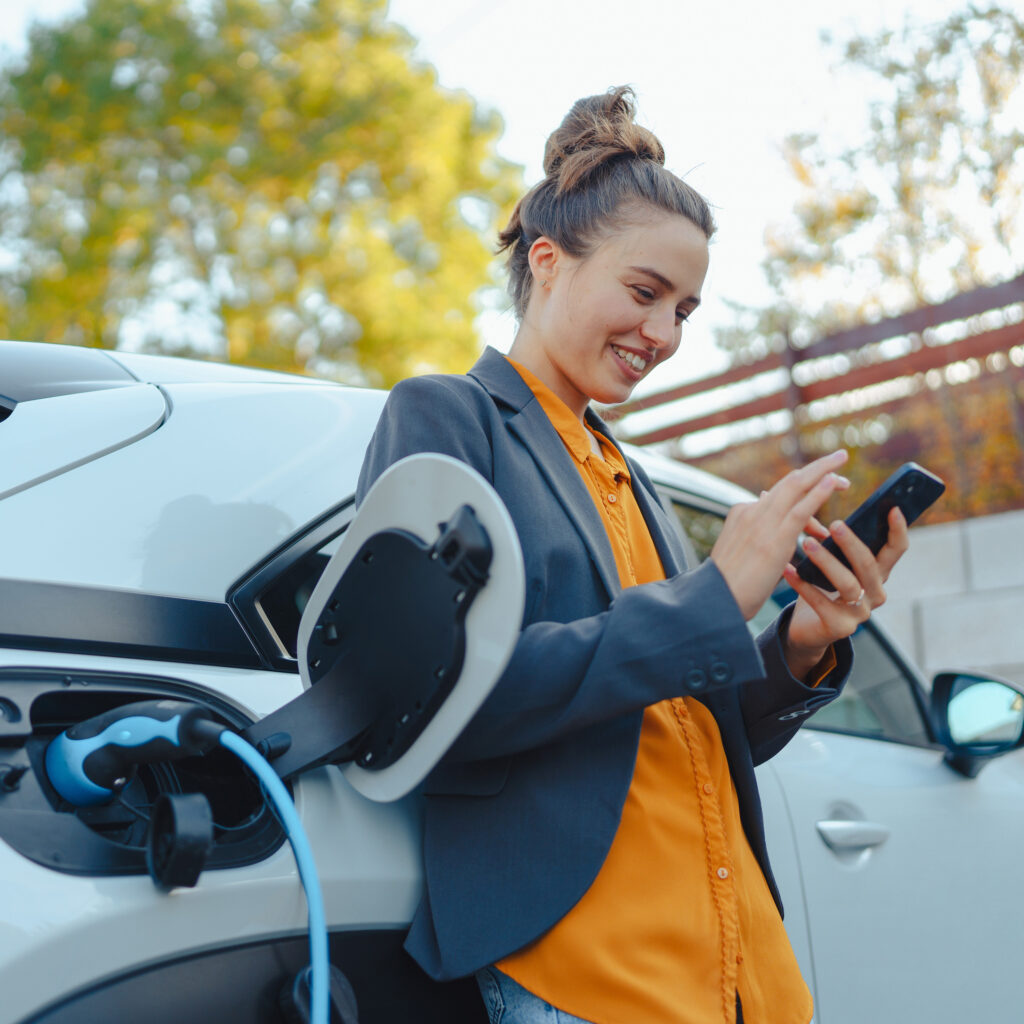
What is required for charging an electric car?
Electric car charging can be done in different ways, each with different impacts on the electricity connection:
Slow charging
At home from a standard socket or a low-power charging station (e.g. under 3.7 kW). Suitable for most existing connections.
Basic charging
From an 11–22 kW charging station. May require checking the connection capacity and possibly making changes.
Fast charging (DC charging)
A 22–90 kW charging point requires a significant increase in connection size and more detailed planning.
High-power charging
Charging stations over 100 kW generally always require a closer review of the connection size.
Connection sizing and technical requirements
Before installing a charging point, it is important to determine your current connection size and capacity. The adequacy of the connection depends on the chosen charging method and other electricity use on your property:
- Connection adequacy assessment: An electrical contractor will perform a load calculation and assess the connection size you need.
- Connection size changes: If the current capacity is insufficient, you can apply to increase your connection size from us.
- Dynamic load control: The load of charging points can be managed dynamically so that the connection does not always need to be significantly increased. An electrical contractor can help plan and implement dynamic load control.

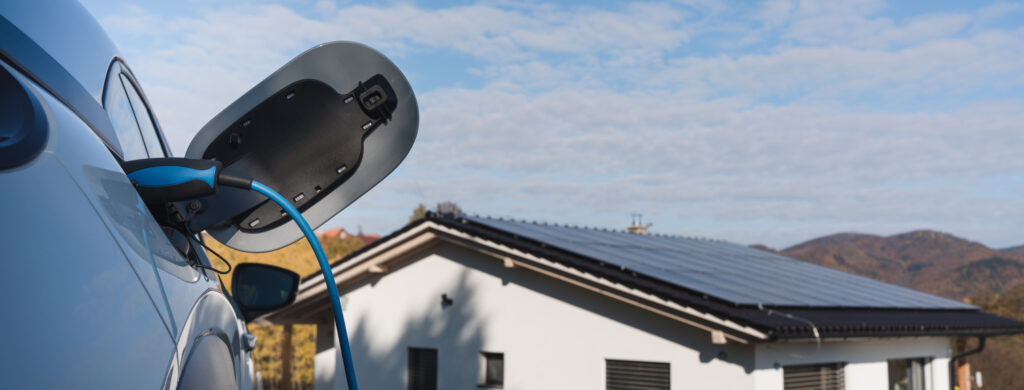
Costs and practical matters
An increase in the connection size is charged according to our price list. As a customer, you are responsible for the process related to the connection change and the necessary electrical installations. Practical tips:
- Ask your electrical contractor for a preliminary estimate of costs and the technical implementation.
Submit the connection change application well in advance.
Frequently asked questions
Not necessarily, the charging point can often be connected to the existing connection if its capacity is sufficient.
The connection change is usually implemented within 1–3 months after the application has been approved.
An electrical contractor can help with a load calculation and provide a professional assessment of the adequacy of the connection.
Technical customer service
If you need assistance with technical questions regarding connection sizing or the installation of charging points, contact our technical customer service:
Our experts are ready to help and advise on all technical questions regarding the connection.